
A Resolution with Dad: Moving Forward with Mom’s Assisted Living Plans
Sometimes, after weeks or even months of frustration, disagreements, and conversations that seem to go nowhere, I finally get a little progress.
I'm not ready to declare victory, throw confetti, or announce that everyone is suddenly getting along. But we've reached a resolution, at least for the time being, regarding Mom's finances and her next chapter.
And that's something.
A Text Message on the Drive Home
While returning from my Cozumel cruise, I received a text message from my father.
He wanted to know where I'd been. Apparently, I also had some packages waiting for me at the house.
That started a conversation.
I was driving from Columbia, South Carolina, back to Mount Pleasant and using Android Auto to manage the text conversation. As sometimes happens, a simple exchange about packages turned into something considerably more important.
We started talking about Mom.
Specifically, what comes next with her move into an assisted living facility.
If you've been following along with my blog, you know this hasn't exactly been a smooth process.
There have been disagreements, frustration, questions about finances, conversations about Power of Attorney, and my father's reluctance to provide information about Mom's employer 401(k).
I've written about the challenges of visiting Mom in skilled nursing, touring assisted living facilities, and trying to balance her needs with the financial realities of making a move.
If you're just joining the story, you have some reading to do!
But this conversation was different.
We actually made some progress.
We've Reached a Resolution, For Now
The current plan is to establish a trust with funds designated exclusively for Mom's care.
That's important to me.
I've reiterated that I don't want the money for personal use. I'm not looking to benefit financially from any of this.
The money is intended for Mom.
That includes:
Housing and assisted living expenses.
Furniture and furnishings for her new living space.
Medical expenses and related needs.
Other expenses directly associated with her care and well-being.
The objective is to make sure the resources are available for the person who earned them and needs them.
We have an appointment next Thursday to open the account and move this process forward.
Is everything resolved? No.
Is this the final chapter of the financial discussions? Probably not.
But we've moved from arguing about what should happen to taking a step toward making it happen.
I'll take that progress.
The Next Step: Making Sure Mom Has What She Needs
One of the things I've been trying to accomplish throughout this process is making sure Mom has the resources to live somewhere appropriate.
Assisted living isn't inexpensive. There are monthly costs, potential additional services, furniture, personal items, and medical-related expenses to consider.
I want to make sure we're planning for all of that.
I also want to be clear that this isn't about controlling someone else's money for my benefit. It's about making sure Mom's money is used for Mom.
We've spent enough time going back and forth. Now it's time to put some structure around the finances and start moving forward.
Next Thursday's appointment is an important step.
A Little Time with Mom
I saw Mom on Tuesday after dialysis.
Today, Wednesday, I went to dialysis again, but I didn't make it over to see her.
It was one of those back-to-back days that can be particularly rough. Between the treatment, the time involved, and everything else going on, sometimes I need to recognize that I can't do everything every day.
I plan to see her Saturday.
And I have something for her.
Ivory soap.
Yes, Ivory soap.
It's what she requested, so that's what I'm bringing.
After all the conversations about assisted living, finances, furniture, medical needs, and where she's going to live next, sometimes it's the little things that matter.
Mom wants her soap. Mom gets her soap.
It's a small thing, but it's one more way of showing up.
One Step Forward
I wouldn't describe my relationship with my father as suddenly repaired. There are still plenty of things that need to be worked through.
But for now, we've reached an agreement on how to move forward with Mom's finances.
That's progress.
I've spent considerable time advocating for Mom, researching facilities, touring locations, asking questions, and trying to figure out how to make this next chapter work.
It's been exhausting at times.
There have been days when I've needed to step away, days when I've been frustrated, and days when I wondered whether we'd ever get anywhere.
Now we have an appointment on the calendar.
Next Thursday, we'll take another step.
In the meantime, I'll continue doing what I can, taking care of my own health, keeping up with dialysis, and visiting Mom.
And Saturday, I'll be delivering a very important package.
Ivory soap.
Sometimes moving forward doesn't require a major announcement. Sometimes it's an appointment, an agreement, and a bar of soap.
I'll keep you posted on what happens next.
Day 143: Nextdoor Doesn't Own the Verified Address — The U.S. Postal Service Has Been Doing This for Centuries
Today, while picking up my mail, I came across something that got me thinking. It was a collection of unexpected advertisements, but they all had something in common.
They had my name. They had my mailing address. And they were trying to sell me something.
Sound familiar? You might be receiving the same kind of mail.
Some were from real estate agents offering to evaluate my home's value. Others were from LeafFilter, a former employer of mine, and an HVAC company offering services or a new heating and cooling unit.
So why am I bringing this up in my ongoing Nextdoor case study?
Because Nextdoor doesn't have a monopoly on verified addresses.
The verified address isn't a new invention
Nirav Tolia frequently highlights verified addresses, along with AI, as important differentiators for the Nextdoor platform.
And I understand why knowing that someone is connected to a particular neighborhood can be valuable. It can help create a more localized experience and give advertisers a way to reach people in specific communities.
But let's not pretend that connecting a name to a physical mailing address is some groundbreaking technological achievement.
The United States Postal Service has been delivering mail to addresses for generations.
In fact, the U.S. Postal Service dates back to July 26, 1775, when the Second Continental Congress established the position of Postmaster General and laid the foundation for the American postal system.
That's more than 250 years of connecting people, businesses, and physical addresses.
Businesses already know how to reach households
Think about the companies sending these advertisements.
Real estate agents want homeowners who might be interested in knowing their property's value.
HVAC companies want homeowners who may need maintenance, repairs, or a replacement system.
Home improvement companies want to reach people who might need their products and services.
They can use bulk mailing through the United States Postal Service to put their message directly into a household's mailbox.
They don't need Nextdoor to verify my address.
They don't need a social media account to know where I live.
They don't need an AI assistant to figure out which neighborhood I belong to.
They have a mailing address and a way to reach me.
Of course, direct mail and digital advertising are different channels. Nextdoor can offer targeting, engagement, and interaction that a postcard cannot. I'm not suggesting they're identical.
But the larger point remains: verified addresses are not exclusive to Nextdoor, and they aren't a new concept.
So what's the real competitive advantage?
If Nextdoor wants to promote verified addresses as a major selling point, I'd like to understand what makes its approach meaningfully different.
Is it the ability to target specific neighborhoods?
Is it the ability to combine location information with community interests and engagement?
Is it the quality of the audience data?
Is it better conversion measurement for advertisers?
Those are legitimate questions, and those are the kinds of things that could distinguish a digital advertising platform.
But a verified address alone isn't enough to build a competitive advantage. The real value comes from what a company can do with that information, how responsibly it uses it, and whether it delivers measurable results for advertisers.
And that brings me right back to my recurring question about Nextdoor: What exactly are small businesses getting for their advertising dollars, and how does Nextdoor demonstrate the value?
Nirav, the mailbox has been around for a while
I appreciate that Nextdoor wants to highlight its technology, AI capabilities, and verified neighborhood connections.
But sometimes I think the company spends so much time promoting what it believes makes it unique that it overlooks the fact that many of these concepts have existed for a very long time.
The next time Nextdoor talks about verified addresses as a major differentiator, perhaps someone should take a walk to the mailbox.
The U.S. Postal Service has been connecting businesses with households since the days of the Continental Congress.
Day 143. The mail keeps coming, the questions keep coming, and apparently, verified addresses aren't exactly a new invention.
Nirav, more feedback for you!
MyChart, Medicare and a Free Kit? Apparently, Scammers Have a New Survey for Me
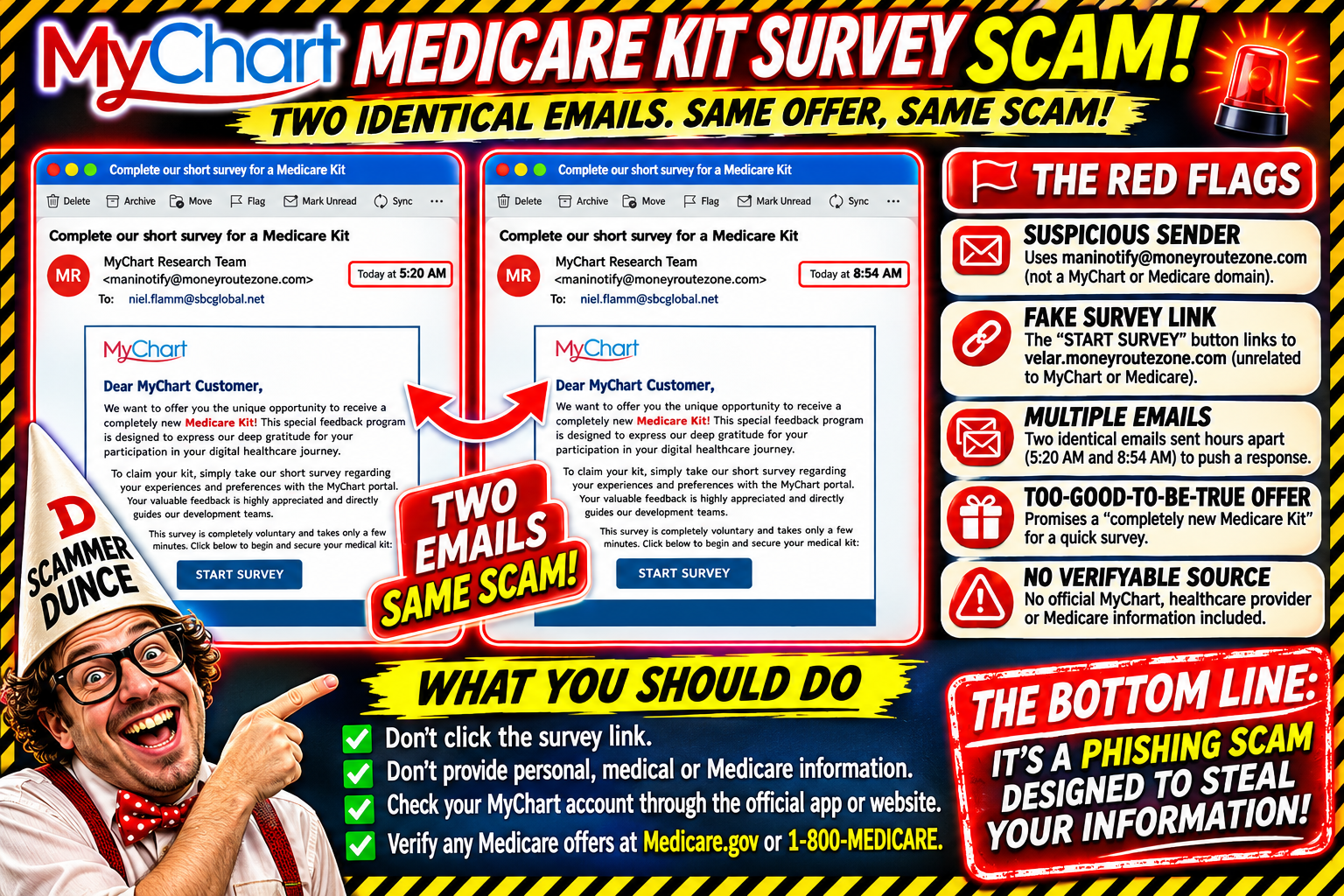
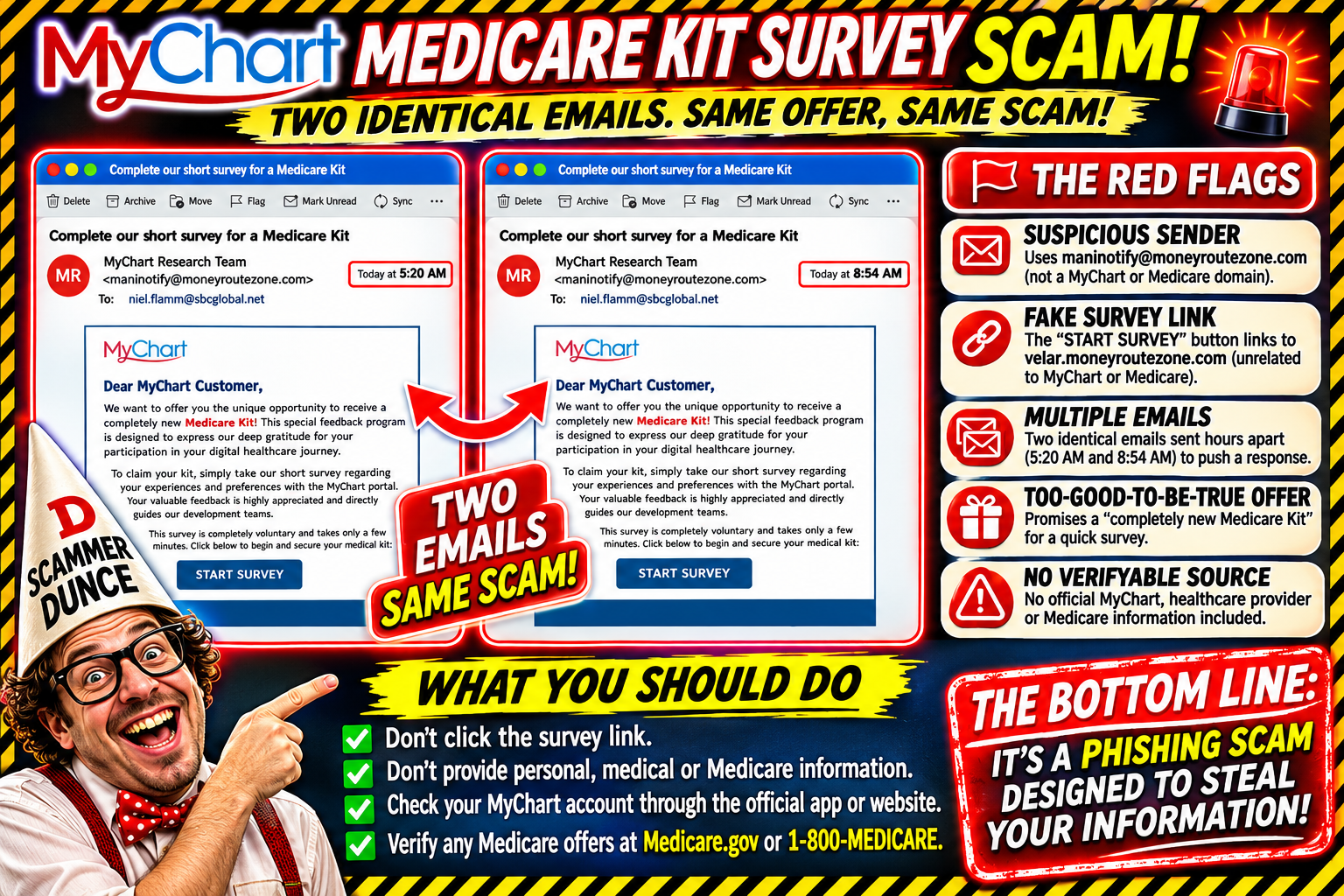
I received not one, but two emails today offering me a completely new Medicare Kit. Apparently, all I have to do is complete a short survey about my experience with the MyChart portal.
Well, isn't that generous?
The first email arrived at 5:20 a.m. The second showed up at 8:54 a.m. Same sender, same subject, same message, same offer. I guess the first invitation wasn't getting enough attention, so they decided to send me a reminder.
The emails came from someone calling themselves “MyChart Research Team”, using the address maninotify@moneyroutezone.com.
Let's pause there.
MyChart is a familiar name in healthcare. But the sender's email domain is not a MyChart domain. That's the first red flag, and it's a pretty big one.
The offer sounds wonderful. That's the problem.
The message tells me:
I can receive a completely new Medicare Kit.
All I need to do is complete a short survey.
My feedback will supposedly help guide their development teams.
The survey takes only a few minutes.
There's a convenient button labeled “START SURVEY.”
What could possibly go wrong?
Well, the first screenshot gives us another clue. When hovering over the survey button, the destination displayed a URL at velar.moneyroutezone.com, which has absolutely no apparent connection to MyChart or Medicare.
That's not where I would expect a legitimate healthcare organization to send me.
And here's the bigger issue: why is a supposed MyChart research team using a completely unrelated email domain and directing people to an unrelated website?
The scammer's marketing department needs a meeting
If you're going to impersonate a healthcare organization, at least understand the organization you're pretending to represent.
MyChart is a patient portal. Medicare is a federal health insurance program. A generic promise of a free Medicare Kit in exchange for a survey doesn't establish any legitimate connection between the two.
Scammers hope familiar names will make people lower their guard.
They're also counting on people being curious about a free offer. Who doesn't like getting something for free?
But there's a difference between a legitimate benefit and an unsolicited email trying to get you to click an unfamiliar link.
Here's what I would do
Don't click the survey button.
Don't provide personal, medical, Medicare, or financial information.
Don't assume an email is legitimate because it uses a familiar company logo.
Check your MyChart account by navigating to its official website or app independently.
If the message claims to be connected to Medicare, verify it through Medicare's official website or phone number.
And please, don't use the contact information or links provided in a suspicious email to verify that same email.
Two emails, one bad idea
I received two nearly identical messages in less than four hours. Maybe the sender thought persistence would pay off.
It might. Unfortunately, someone who isn't paying attention could click that button and hand over information they never intended to share.
My advice? A free Medicare Kit from an unfamiliar sender isn't worth risking your personal information.
To whoever is behind this: the MyChart logo doesn't magically make your email legitimate. Maybe take a little more time with your next attempt.
And to everyone else: Stop. Think. Verify.
Have you received something similar? Send me the screenshot or tell me about it at niel@nielflamm.com. Remove any personal information before sending.
I'll keep sharing these examples because the more people recognize the warning signs, the harder it becomes for these messages to work.

Day 142: Nextdoor's Community Stories — Helping Neighbors or Controlling the Conversation?
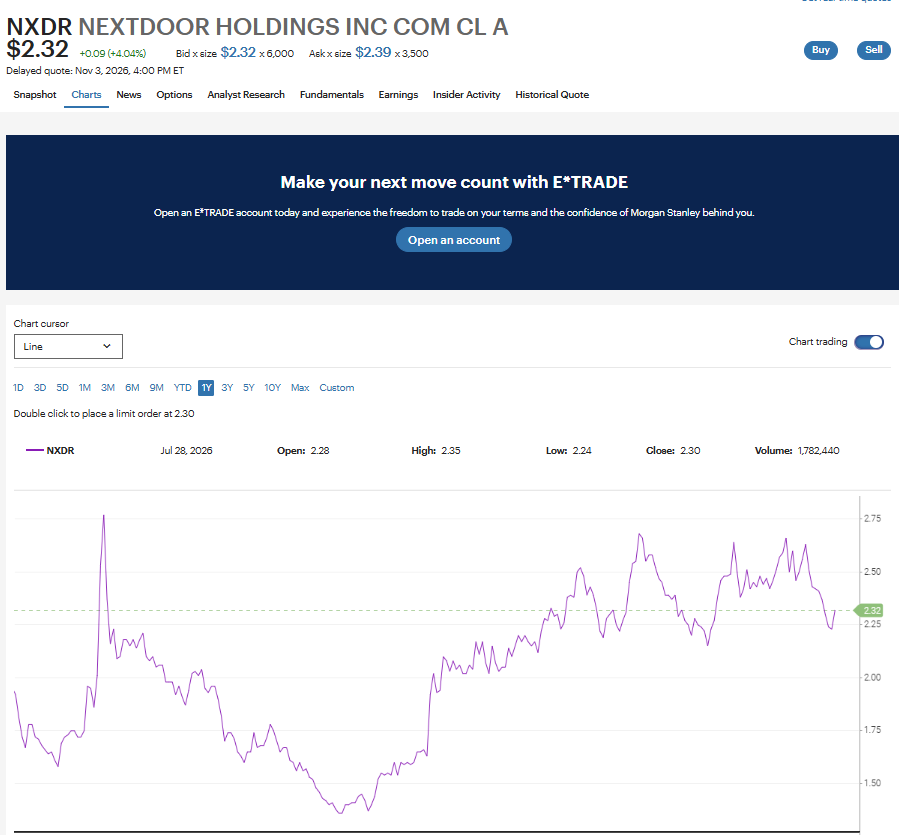
Well, look who's moving!
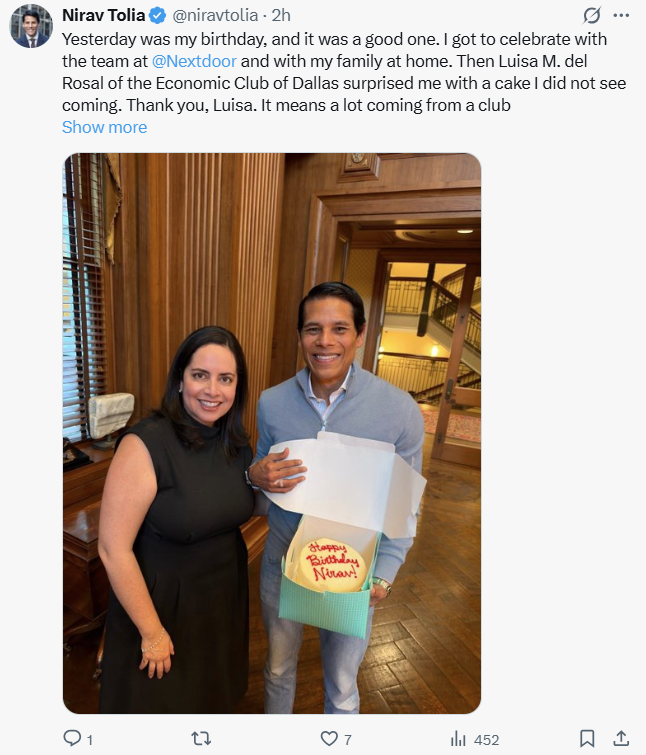
NXDR is up to $2.32. It's not a massive jump, but it's a jump. Maybe it's a belated birthday present for Nirav Tolia. His birthday was yesterday, so happy birthday, Nirav! 🎂
Now, back to business.

Another email, another round of silence
Last week, I emailed Nextdoor leadership again. I didn't receive a reply. At this point, that's becoming the norm.
Nextdoor, Nirav, and company seem perfectly comfortable doing what they've been doing: digging their feet into the sand and refusing to budge.
Yet somehow, I seem to get under Nirav's skin enough to be blocked on LinkedIn and twice on X.
Someone, please help me understand something.
Why would a millionaire, someone at the top of a multimillion-dollar company (at least on paper), spend the time blocking someone who is providing feedback about the company's platform?
I'm not asking for special treatment. I'm asking questions, raising concerns, and offering opportunities for discussion.
If the feedback is off base, address it. If there's a misunderstanding, clarify it. If there's a problem, explain what the company is doing to fix it.
Blocking someone doesn't make the questions disappear.
The media stories Nextdoor doesn't seem to want to discuss
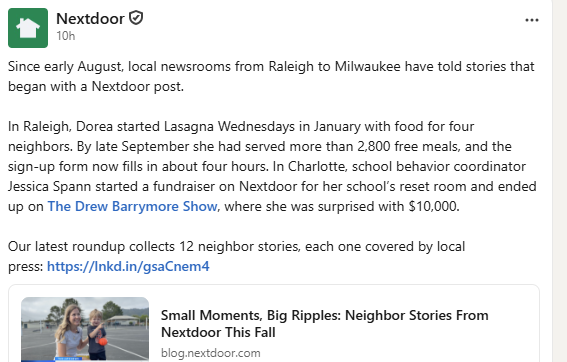
Nextdoor regularly promotes stories about how its platform helps people and strengthens communities. Those stories may be real, and people have undoubtedly benefited from connections made through the platform.
But there's another side of the story that deserves attention.
1. Connecticut Examiner: Permanently suspended
The Connecticut Examiner (CT Examiner) has reported that its Nextdoor account was permanently suspended.
The issue, as described in the publication's reporting, involved feedback and concerns about Nextdoor's moderator system.
Think about that for a moment.
A local news organization raises concerns about how the platform handles moderation, and its account ends up permanently suspended.
What happened? What policy was violated? Was there a meaningful appeal? Did anyone at Nextdoor review the circumstances?
If Nextdoor wants to be a platform for neighborhood communication, local journalism, and community engagement, it should be able to explain how it handles situations like this.
Suspension without meaningful transparency doesn't build confidence.
2. Daybreak Upper Valley: Local news links restricted
Another example involves Daybreak Upper Valley.
The publication has described restrictions affecting links it shares in local news updates and community notifications. Nextdoor's automated spam-filtering system is blamed.
This raises another, equally important concern.
Local news organizations provide information that matters to their communities. Local updates, public notices, and community information shouldn't automatically be treated as unwanted commercial content simply because an automated system flags a link.
Automation can be useful, but it isn't infallible.
If a publication is incorrectly restricted, what is the process for correcting that? Can someone reach a human reviewer? How quickly can the restriction be resolved?
And how many neighbors miss important information while the issue remains unresolved?
Source: https://share.google/aimode/rFHda7r9xjSR2nBQU
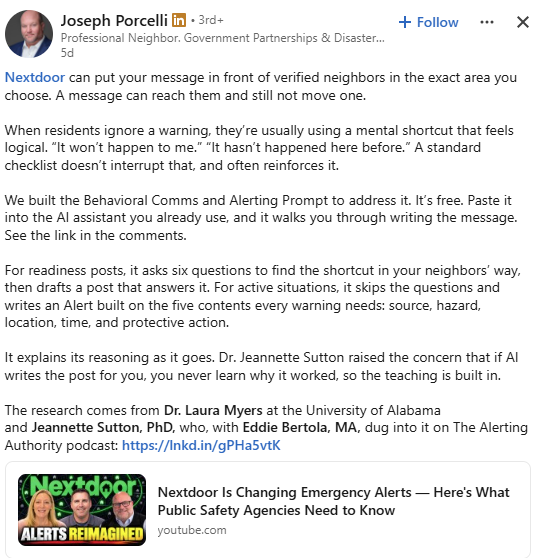
3. Joseph Porcelli: AI helps write alerts, but who controls them?
Now let's look at a post from Joseph Porcelli discussing Nextdoor's AI assistant and how it can help people write alerts
.
On the surface, that sounds useful. Helping someone write a clearer, more informative community alert could benefit everyone.
But here's the contradiction I want Nextdoor to explain.
How can the company promote AI tools that help neighbors create alerts while also relying on automated systems to restrict, filter, or control what neighbors and local organizations can post?
It wants to help people communicate, but how much control does it retain over that communication?
Who decides which alerts are acceptable? How does the system distinguish a legitimate community update from spam? What happens when the AI or automated moderation system gets it wrong?
And most importantly, what recourse does the person posting have?
There's a difference between helping people communicate responsibly and controlling the conversation.
A healthy community platform needs both useful safeguards and a transparent, fair process for addressing mistakes. It can't simply promote the benefits of AI while leaving users guessing about how automated decisions affect their ability to communicate.
So, which Nextdoor are we getting?
The company promotes itself as a place where neighbors connect, local organizations share information, and communities become stronger.
It promotes positive stories about people helping people.
It promotes tools that make communication easier.
But what about the publishers who say their accounts have been suspended? What about local news links that are restricted? What about neighbors who find their posts filtered or removed without a clear explanation?
Those experiences deserve attention, too.
Nextdoor can't have it both ways. It can't celebrate community communication when it makes the company look good and then avoid difficult questions when people raise concerns about moderation and access.
Transparency isn't just something a company puts in a press release. It's demonstrated by how it responds when things go wrong.
Nirav, I have another suggestion: Try again. Try engaging with the feedback. Try explaining the decisions. Show people the company is willing to listen.
You don't have to agree with every person who raises a concern. But shutting down the conversation isn't the same as resolving the problem.
Day 142. NXDR is up to $2.32. The stock moved. Now, how about the company moving on transparency and accountability?
Try again, Nirav. Try again.
Prime Time for a Scam? Two More Emails That Deserve a Closer Look
I checked my inbox, and apparently the scammers are working overtime. This time, I've got two very different messages, both of which deserve a little attention—and neither is getting the response its sender probably wants.
Let's take a look.
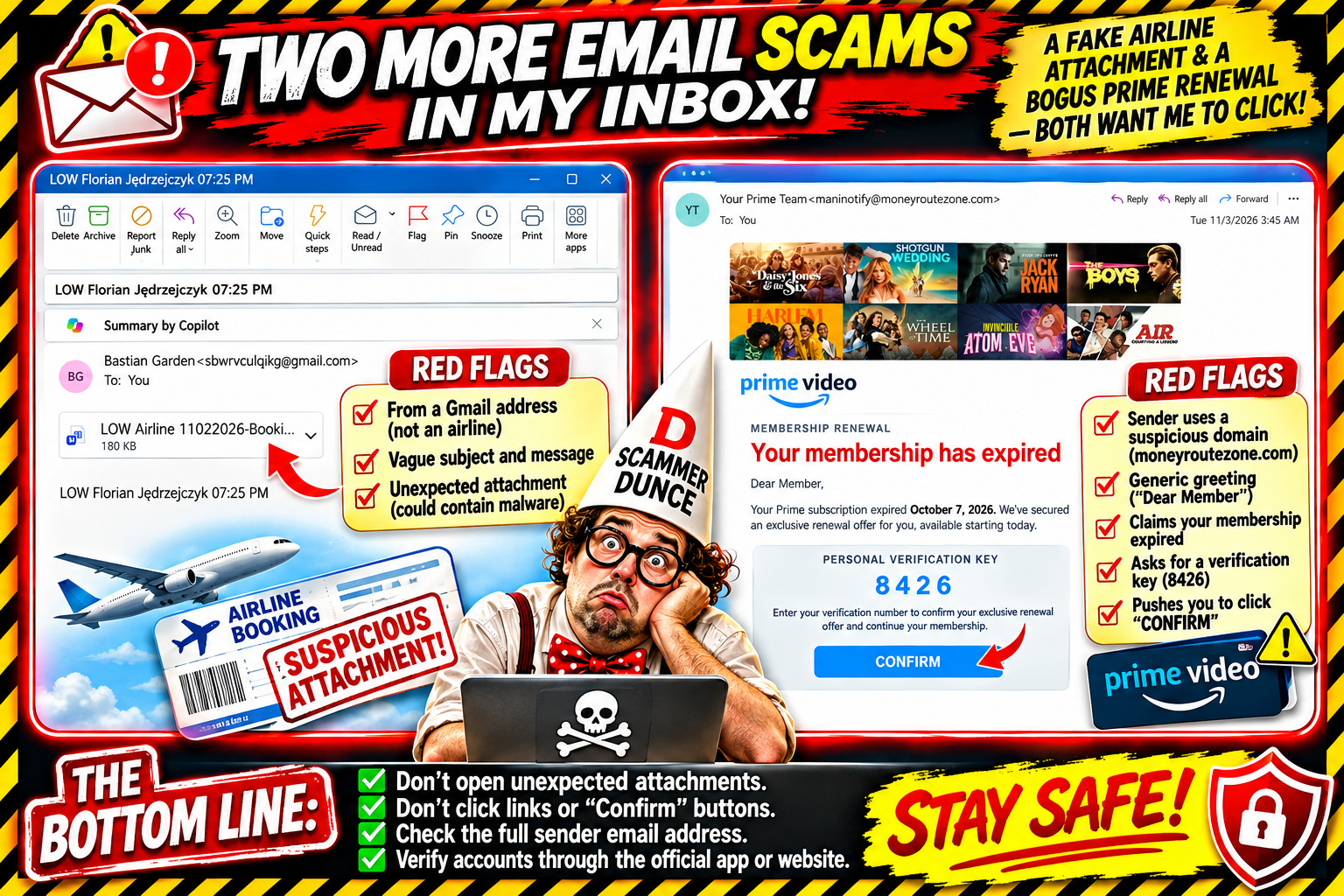
Email #1: Some Recent News… and an Unexpected Attachment
The first message arrived with the subject line “Fw: Some Recent News.”
It came from someone identified as Bastian Garden, using a Gmail address. The email body offered almost no explanation. It simply displayed:
“LOW Florian Jędrzejczyk 07:25 PM”
And then there was an attachment labeled something like “LOW Airline 11022026-Booki…”
That's it: no real explanation, no context, and no clear reason to open this file.
What exactly am I supposed to do with this? Is it an airline booking? A travel update? Some reservation confirmation? Am I supposed to recognize Florian?
I'm not opening an unexpected attachment just because somebody decided to send it to me.
An unfamiliar sender, a vague subject line, and an unexplained attachment are enough reasons to stop and investigate. The file could contain malicious content, so I'm leaving it alone.
Email #2: Your Prime Membership Has Expired!
Next up is a message from “Your Prime Team.”
The email features Prime Video branding, a collection of television and movie images, and a big red announcement:
“Your membership has expired.”
According to the message, my Prime subscription expired on October 7, 2026. The email arrived on November 3.
But don't worry! They say they’ve secured an exclusive renewal offer just for me.
Then comes the interesting part.
The message displays a Personal Verification Key: 8426 and tells me to enter that number to confirm the exclusive renewal offer and continue my membership.
There's even a big blue CONFIRM button.
How generous!
Let's examine the red flags.
The sender's email address: Your Prime Team is using maninotify@moneyroutezone.com. That domain doesn't look like an official Amazon or Prime Video email address.
The branding: Putting the Prime Video logo and popular show images into an email doesn't make it legitimate.
The verification key: A four-digit number displayed inside an email isn't proof that the message came from Amazon.
The button: The email wants me to click CONFIRM rather than independently check my account.
The generic greeting: It starts with “Dear Member,” rather than identifying me as an actual customer.
If I want to know whether my Prime membership is active, I can open the Amazon app or type Amazon's address into my browser myself. I don't need an email from a mystery domain to tell me what's happening with my subscription.
Scammers, Can We Get a Little More Sophisticated?
Here's something I've been thinking about: scammers seem so eager to get to the payoff that they forget to make the setup believable.
They want you to click, download, confirm, enter information, or call a number immediately.
But think about some classic heist movies: Ocean's Eleven, The Italian Job, and The Town.
Those capers weren't built around walking up to someone and yelling, “Give me your money!”
There was planning. Research. Preparation. Reconnaissance. A process.
Of course, these are fictional movies, and I'm not suggesting criminals need a better playbook. My point is that the scams I'm receiving are often so poorly put together that they're practically announcing themselves.
The obvious mistakes are what make them easy to spot.
A legitimate company doesn't need to send an unexplained attachment from a random Gmail address. And Amazon doesn't need a suspicious third-party domain to convince me that my Prime membership has expired.
My advice remains the same:
Don't open unexpected attachments.
Don't click suspicious links or buttons.
Check the sender's complete email address.
Don't enter personal or payment information through an unsolicited message.
Visit the company's official website or app independently.
I'm not saying every unusual email is automatically a scam. I'm saying these messages have enough warning signs to treat with caution.
And to the people sending these things: the logos are pretty, the movie thumbnails are colorful, and the buttons are large. Unfortunately for you, the details still matter.
I'm not clicking. I'm not confirming. And I'm certainly not downloading a mystery airline attachment.
Better luck next time.
Have you received something similar? Send me the email, screenshot, or your story at niel@nielflamm.com. Please remove any personal or sensitive information first.
Let's keep shining a light on these scams.